
Monstera Plant Profile: Care, Growth, and Benefits
349 views
Nothing frustrates a houseplant owner faster than watching a beautiful Monstera suddenly develop yellow leaves or brown, crispy edges after weeks of healthy growth. It usually isn't because the plant is "difficult." More often, it's a simple mismatch between how Monstera grows in nature and the conditions we accidentally create indoors.
I've seen people place one in a dark office corner because it looked stylish there. Three months later, it stopped producing those famous split leaves. Move it closer to a bright window, adjust watering, and suddenly the plant starts behaving like a completely different species.
That's the thing about Monstera. It isn't high maintenance. It just rewards understanding.
Meet the Monstera
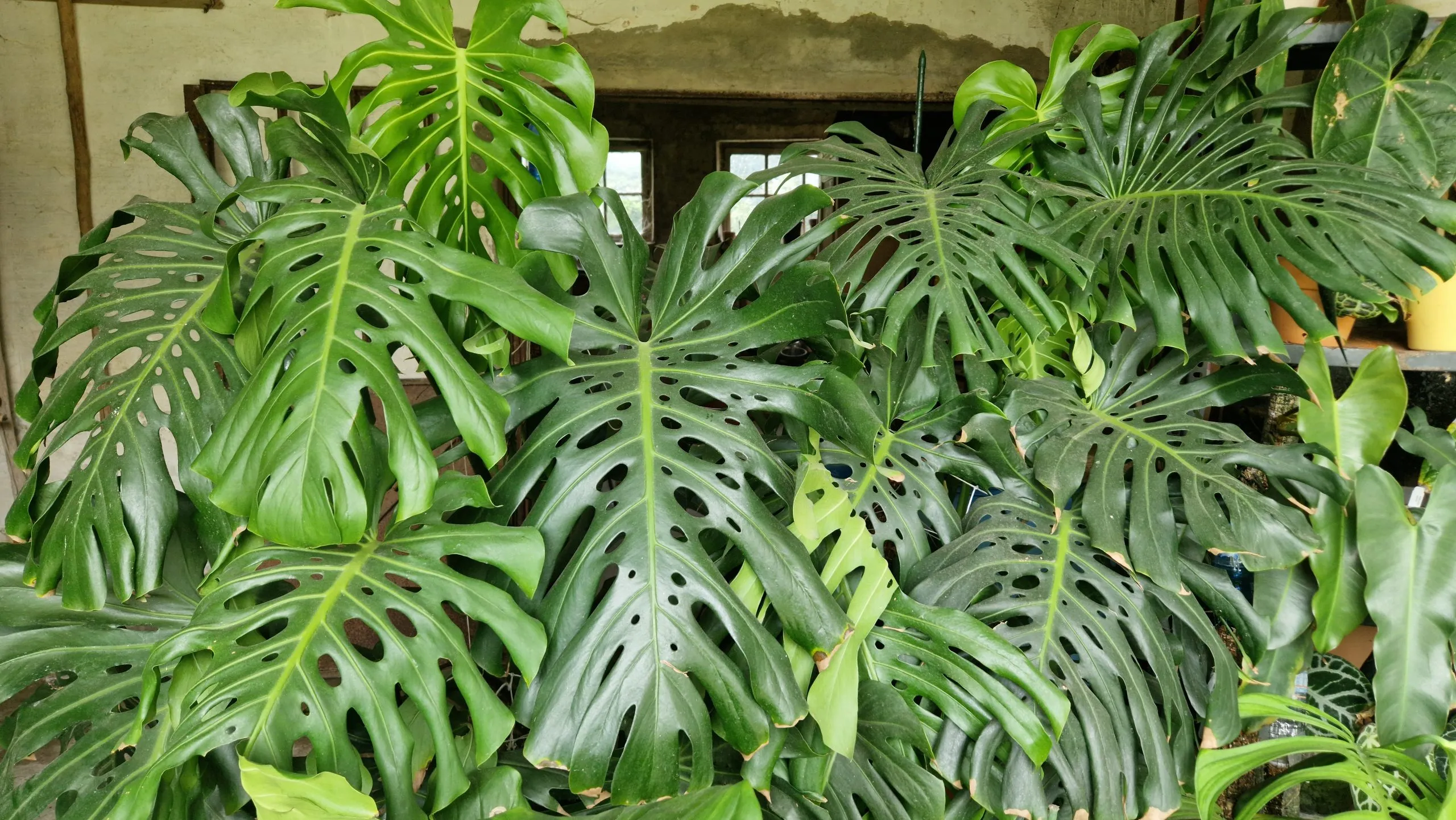
The name "Monstera" refers to a genus of tropical plants native to the rainforests of Central and South America. The most popular houseplant by far is Monstera deliciosa, often called the Swiss cheese plant because of its natural holes and dramatic leaf splits.
Those openings aren't random decorations. Botanists generally believe they help leaves withstand heavy tropical rain, reduce wind resistance, and allow lower leaves to receive more sunlight beneath the forest canopy.
In its natural habitat, Monstera begins life on the forest floor before climbing trees using thick aerial roots. Mature plants can easily exceed 15 meters (50 feet) outdoors, while indoor specimens commonly reach 2–3 meters (6–10 feet) when given proper support.
Young Monstera leaves stay solid.
Adult leaves? Completely different story.
The familiar fenestrations—the holes and deep cuts—appear as the plant matures under favorable growing conditions.
Why Monstera Has Become So Popular
A few years ago, Monstera exploded across interior design magazines, social media feeds, and plant collections. The appeal isn't just aesthetic.
Several practical advantages make it an excellent indoor plant:
Large leaves create an instant tropical appearance.
It tolerates average indoor humidity better than many rainforest plants.
Growth is relatively fast under proper lighting.
Propagation is straightforward from stem cuttings.
Mature specimens can remain healthy for decades.
Unlike fussier tropical species, Monstera also forgives occasional mistakes. Miss one watering? Usually fine. Forget fertilizer for a month? Growth slows, but recovery is easy.
That flexibility makes it suitable for both beginners and experienced collectors.
Understanding How Monstera Grows
The biggest mistake people make is treating Monstera like a compact tabletop plant.
It isn't.
It's a climbing vine.
Without support, stems eventually stretch sideways, lean toward windows, and become awkwardly heavy. A sturdy moss pole, coco coir pole, or wooden plank mimics the trees it naturally climbs.
Here's something many new growers notice after installing a moss pole: the next few leaves often emerge noticeably larger.
That's no coincidence.
Once aerial roots attach to vertical support, the plant shifts into a more mature climbing growth pattern.
Light Requirements: Bright, But Not Harsh
Light determines almost everything.
Leaf size.
Growth speed.
Fenestrations.
Overall health.
Monstera performs best in bright, indirect light. East-facing windows are often ideal because they provide gentle morning sun without intense afternoon heat.
South-facing windows can also work if filtered through sheer curtains.
Direct summer sunlight through west-facing glass frequently causes leaf scorch, especially during afternoon hours.
Indoor light levels vary far more than people realize. A room that looks bright to human eyes may actually provide insufficient light for vigorous plant growth.
If natural light is limited, full-spectrum LED grow lights work remarkably well.
Most quality grow lights designed for houseplants produce a color temperature between 5,000K and 6,500K, closely resembling daylight. Position them roughly 12–24 inches (30–60 cm) above the foliage for about 10–12 hours daily, adjusting according to manufacturer recommendations.
Watering Without Guesswork
Forget fixed schedules.
Water according to the soil.
That sounds simple, yet it's where many problems begin.
Stick your finger roughly 2 inches (5 cm) into the potting mix. If it still feels moist, wait another day or two.
Only water thoroughly once the upper portion has dried.
Overwatering doesn't actually kill roots directly. Oxygen deprivation does. Constantly saturated soil prevents healthy gas exchange, allowing root rot organisms such as Pythium and Phytophthora to thrive.
Common warning signs include:
Symptom | Likely Cause |
|---|---|
Yellow lower leaves | Excess watering |
Crispy brown edges | Dry soil or low humidity |
Drooping despite wet soil | Root damage |
Mushy stem base | Advanced root rot |
Drainage matters just as much as watering frequency.
Decorative pots without drainage holes may look attractive, but they dramatically increase the risk of standing water.
Choosing the Right Soil
Regular garden soil is a poor choice.
Monstera roots need airflow.
A chunky, well-draining mix generally performs best. Many experienced growers combine ingredients such as:
Orchid bark
Coconut coir or peat moss
Perlite
Pumice
Compost or quality potting mix
Horticultural charcoal (optional)
The goal isn't exact percentages.
Instead, think loose, airy, and fast draining.
Commercial "aroid mixes" sold by reputable garden suppliers usually contain similar components and work well straight from the bag.
Humidity and Temperature
Monstera tolerates ordinary household humidity surprisingly well.
Growth simply improves with higher levels.
Average indoor humidity often falls between 30% and 45%, especially during winter heating seasons. Monstera generally produces healthier foliage around 50% to 60% humidity, although it can adapt below that.
Temperatures between 18°C and 29°C (65–85°F) support active growth.
Cold drafts below approximately 10°C (50°F) may damage foliage, while freezing temperatures can quickly kill the plant.
People often mist leaves every morning hoping to increase humidity.
The effect is minimal.
A humidifier, grouped plants, or pebble tray provides much more consistent results.
Feeding for Steady Growth
Monstera isn't a heavy feeder, but it definitely benefits from regular nutrients during active growth.
A balanced liquid fertilizer—such as a 10-10-10 or 20-20-20 NPK formulation diluted according to label instructions—works well every four to six weeks through spring and summer.
Pause fertilizing during winter if growth naturally slows.
More fertilizer doesn't mean faster growth.
Usually, it means salt buildup.
If white mineral deposits appear on the soil surface, flushing the pot thoroughly with clean water every couple of months helps remove accumulated salts.
Repotting: Knowing When It's Time
Most healthy Monstera plants need repotting every two or three years.
Roots circling the pot.
Water draining unusually fast.
Growth slowing despite good care.
Those are stronger indicators than simply following a calendar.
Choose a container only one size larger than the previous pot. Oversized containers hold excess moisture much longer, increasing root rot risk.
Common Problems and Practical Fixes
Even healthy Monstera occasionally runs into trouble.
Yellow Leaves
Usually caused by excessive watering, although nutrient deficiencies and natural aging also contribute.
Check soil moisture before assuming the worst.
Leaves Without Splits
Immature plants naturally produce solid leaves.
If an older plant suddenly stops developing fenestrations, insufficient light is often responsible.
Brown Leaf Tips
Low humidity, inconsistent watering, or fertilizer salt buildup commonly cause crispy edges.
Tiny brown tips aren't unusual and rarely indicate serious problems.
Pests
Spider mites, mealybugs, scale insects, and thrips occasionally appear indoors.
Inspect both sides of leaves regularly.
Early infestations often respond well to insecticidal soap or horticultural oil applied according to product directions. Repeating treatment every 7–10 days typically improves effectiveness because newly hatched insects may survive the initial application.
Propagation Is Surprisingly Easy
One healthy node changes everything.
Each stem cutting must include at least one node—the swollen point where leaves and aerial roots emerge.
No node?
No new plant.
Propagation usually follows two simple steps:
Cut just below a healthy node using sterilized pruning shears.
Root the cutting in water, sphagnum moss, perlite, or directly in moist potting mix.
Water propagation remains especially popular because new roots are easy to monitor.
Once roots reach roughly 2–4 inches (5–10 cm), transplanting into soil generally proceeds smoothly.
Benefits Beyond Decoration
Monstera contributes more than visual appeal.
Large leaves create a calming indoor atmosphere, helping soften modern spaces filled with glass, concrete, and electronics. Research in environmental psychology consistently suggests indoor plants may improve perceived well-being, reduce mental fatigue, and increase comfort in workspaces, although results vary depending on the environment and study design.
The plant also participates in normal gas exchange like every green houseplant.
Claims that a single Monstera dramatically purifies indoor air, however, should be viewed realistically. Classic laboratory studies conducted by NASA demonstrated that certain houseplants can remove volatile organic compounds under controlled conditions, but real homes have far greater air volume and ventilation. Modern building science generally concludes that ventilation and air filtration produce much larger effects on indoor air quality than a few potted plants alone.
That doesn't make Monstera less valuable.
Its greatest benefit may simply be making indoor spaces feel more alive.
Frequently Asked Questions
How fast does Monstera grow?
Under bright indirect light, regular feeding, and warm temperatures, Monstera commonly produces one new leaf every four to six weeks during the growing season. Growth slows significantly during winter.
Can Monstera survive in low light?
Yes, but expect slower growth, smaller leaves, fewer fenestrations, and longer gaps between new leaves. Bright indirect light consistently produces better results.
Are Monstera plants toxic to pets?
Yes. Monstera contains insoluble calcium oxalate crystals, which can cause irritation of the mouth and digestive tract if chewed by cats, dogs, or people. Keep plants out of reach of curious pets and children.
Should I cut off aerial roots?
Healthy aerial roots generally don't need removal. Guide them into the soil or toward a moss pole if they become long and untidy.
Why is my Monstera leaning?
It's behaving naturally. Monstera is a climbing vine rather than a self-supporting tree. Adding a sturdy support pole encourages upright growth and often leads to larger, more mature leaves.
Give It Something to Climb
Monstera doesn't ask for perfection. Bright filtered light, airy soil, thoughtful watering, and a vertical support are enough to unlock its full potential. Keep observing rather than following rigid schedules, adjust care as the seasons change, and you'll usually notice each new leaf arriving a little larger than the last—often with more dramatic splits that remind you the plant is finally growing the way nature intended.
Monstera plant
Monstera care
Monstera growth
indoor tropical plants
Swiss cheese plant
Monstera benefits
houseplant care
Monstera deliciosa
indoor gardening
tropical houseplants
Found this helpful? Share it!