
How to Choose the Right Plant Pot Size (Complete Guide)
398 views
A healthy plant can struggle for months without anyone realizing the pot is the problem.
Leaves yellow. Growth stalls. Water either disappears in hours or sits in the soil for days. Many people blame fertilizer, sunlight, or pests first. I've done the same. Then you slide the plant out of its container and find a dense spiral of roots with barely any soil left. Mystery solved.
Pot size isn't just about fitting a plant inside something attractive. It affects root development, water retention, oxygen availability, nutrient uptake, and even how often you'll need to repot. Get it right and most houseplants become noticeably easier to maintain. Get it wrong, and you'll spend months trying to fix symptoms instead of the actual cause.
Why pot size matters more than most people think
Roots need two things that seem contradictory: room to grow and access to oxygen.
A pot that's too small eventually becomes root-bound. The roots circle endlessly around the container, competing with each other for water and nutrients. Plants may still survive, but they rarely thrive.
The opposite problem catches even experienced gardeners.
A pot that's dramatically oversized holds far more soil than the roots can use. That extra soil stays damp longer because there aren't enough roots drawing moisture from it. Constantly wet soil reduces oxygen around the root zone and creates favorable conditions for fungi such as Pythium and Phytophthora, two common causes of root rot documented in horticultural research.
Bigger isn't automatically better.
Start with the plant—not the pot
Before buying a decorative container, inspect the plant itself.
Look for:
Root ball diameter
Plant height
Current growth rate
Species characteristics
Indoor or outdoor placement
Fast-growing plants naturally outgrow containers sooner than slow growers.
A young monstera can fill a pot within a year. A snake plant may stay comfortable in the same container for several years.
The goal isn't maximizing empty soil. It's giving the root system enough space for healthy expansion without creating a swamp beneath the surface.
The simple sizing rule professionals often follow
For most houseplants:
Current Pot Size | New Pot Size |
|---|---|
4 inches | 5–6 inches |
6 inches | 7–8 inches |
8 inches | 10 inches |
10 inches | 12 inches |
That usually means increasing the diameter by 1–2 inches (2.5–5 cm) each time.
Large outdoor shrubs and trees sometimes tolerate bigger jumps—around 2–4 inches—but most indoor plants don't benefit from dramatic upgrades.
I've seen beginners move a small pothos from a 4-inch nursery pot into a massive 12-inch ceramic planter because it "looked nicer." Six months later the soil still stayed wet for nearly two weeks after watering.
Not ideal.
Different plants have different preferences
No universal pot works for every species.
Succulents and cacti
These naturally grow in well-draining environments.
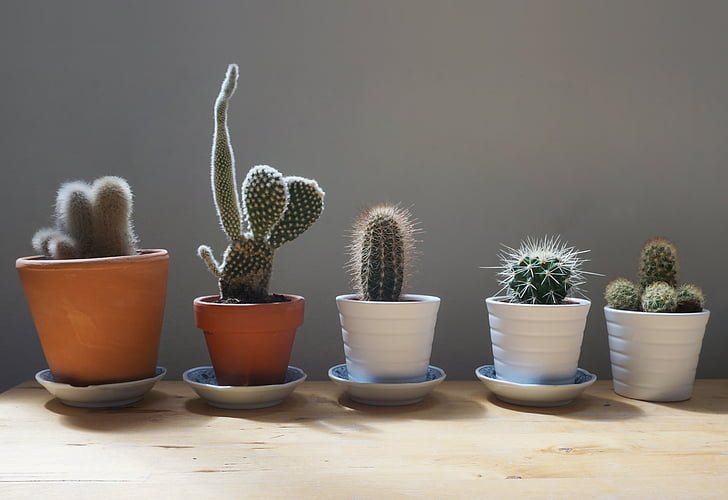
Choose containers only slightly larger than the root ball. Terracotta pots are especially useful because the porous clay allows moisture to evaporate through the walls, helping prevent soggy roots.
Tropical foliage plants
Monstera, philodendron, pothos, peace lilies, and many calatheas appreciate modest increases in container size while maintaining evenly moist soil.
Avoid oversized pots.
Orchids
They're unusual.
Many orchids, especially Phalaenopsis, actually prefer tight containers with coarse orchid bark instead of standard potting mix. Clear plastic orchid pots with ventilation slots also make root health easier to monitor.
Herbs
Basil, parsley, cilantro, and mint often need deeper containers than people expect because their roots extend downward surprisingly quickly during active growth.
Depth matters too
Diameter gets most of the attention.
Depth deserves just as much.
Shallow-rooted plants perform well in wide containers:
Lettuce
Succulents
African violets
Deep-rooted plants need taller pots:
Tomatoes
Citrus trees
Roses
Peppers
Lavender
Trying to grow tomatoes in a shallow decorative bowl rarely ends well. Their extensive root systems simply don't have enough vertical space.
Material changes how a pot behaves
The same size pot can behave very differently depending on what it's made from.
Material | Water Retention | Weight | Best For |
|---|---|---|---|
Terracotta | Low | Medium | Succulents, cacti |
Plastic | High | Light | Tropical plants, seedlings |
Ceramic (glazed) | Moderate to High | Heavy | Indoor décor |
Fabric grow bags | Moderate | Very light | Vegetables, outdoor gardens |
Concrete | Moderate | Very heavy | Large trees and shrubs |
Terracotta dries noticeably faster than plastic. That isn't a theory—it's simply physics. Water gradually evaporates through the porous clay.
If you're someone who occasionally forgets to water plants, plastic containers may actually make life easier.
Drainage holes aren't optional
People often ask if they can put rocks at the bottom of a pot instead of using drainage holes.
No.
Research from university horticulture departments has repeatedly shown that gravel layers don't improve drainage the way many assume. Instead, they raise what's called the perched water table, leaving more saturated soil around the roots.
A proper drainage hole is vastly more effective.
If you love decorative containers without drainage:
Keep the plant inside a plastic nursery pot.
Place that nursery pot inside the decorative cachepot.
Remove it for watering.
Allow excess water to drain completely before returning it.
Simple solution.
Signs your pot is too small
Plants usually send warning signals long before they stop growing entirely.
Watch for these clues:
Roots emerging through drainage holes
Soil drying within 24 hours
Slower growth despite good light
Yellowing lower leaves
Water running straight through without soaking in
Root ball lifting above the soil surface
Pull the plant out carefully.
If you mostly see roots instead of soil, it's time to repot.
Signs your pot is too large
This problem hides in plain sight.
Symptoms include:
Soil staying wet for over a week
Mushy stems
Fungus gnats appearing regularly
Slow growth
Musty smell from the potting mix
Black or soft roots during inspection
Most people respond by watering less.
Sometimes the real solution is moving the plant into a smaller container.
Repotting without shocking your plant
Repotting sounds stressful, but it doesn't have to be.
Choose a day when the plant looks healthy rather than waiting until it's already struggling.
Loosen circling roots gently with your fingers. Trim dead or black roots using clean pruning shears. Fresh potting mix should surround the root ball without burying the crown deeper than before.
Water thoroughly after repotting.
Then leave it alone.
Resist the urge to fertilize immediately. Fresh potting mixes already contain nutrients, and damaged roots need time to recover before handling additional fertilizer.
Outdoor containers follow slightly different rules
Outdoor pots experience faster temperature swings.
Black plastic containers can heat root zones dramatically during summer afternoons. Light-colored ceramic or fabric grow bags generally stay cooler.
Wind also matters.
Large leafy plants in undersized lightweight containers become top-heavy and tip over surprisingly easily after rain or strong gusts.
Balance matters just as much as volume.
Seasonal growth changes the equation
Plants rarely grow at the same pace all year.
Spring and early summer usually bring rapid root expansion. That's the ideal repotting window for most indoor species because active growth helps plants recover quickly.
Winter is different.
Many common houseplants slow down considerably due to shorter daylight hours. Repotting during dormancy isn't always harmful, but recovery often takes longer.
Pot size and watering are connected
Here's something many care guides overlook.
Changing pot size automatically changes your watering schedule.
A small 4-inch container might need watering every three or four days.
Move that same plant into an 8-inch pot using the same soil mix, and watering intervals could stretch to seven or even ten days depending on humidity, temperature, and light levels.
Don't keep watering on the old schedule.
Check the soil instead.
A moisture meter can help, but even a simple finger test—about an inch into the soil—is often surprisingly reliable.
Common mistakes worth avoiding
A few errors appear again and again.
Buying a pot based only on appearance.
Assuming bigger means healthier.
Ignoring drainage holes.
Repotting every few months unnecessarily.
Using heavy garden soil indoors instead of quality potting mix.
Leaving plants sitting in water-filled saucers for days.
None of these mistakes immediately kills a plant.
Combined over time, though, they create persistent problems that are frustrating to diagnose.
Frequently Asked Questions
How much larger should a new plant pot be?
For most houseplants, choose a container that's 1–2 inches (2.5–5 cm) wider than the current pot. Larger jumps usually increase the risk of overwatering.
Is it okay to plant directly into a decorative pot?
Only if it has drainage holes. Otherwise, keep the plant inside its nursery pot and place that inside the decorative container.
Can a plant recover after staying root-bound?
Usually, yes. Remove the plant, gently loosen circling roots, trim damaged sections if necessary, and repot into a slightly larger container with fresh potting mix.
Does a larger pot make plants grow faster?
Not automatically. Healthy growth depends on balanced root space, light, water, nutrients, and temperature—not simply more soil.
How often should I repot indoor plants?
Fast growers may need repotting every 12–18 months. Slower species, including snake plants and ZZ plants, often remain healthy in the same container for two to four years.
Give your roots room—not too much
Next time you're shopping for a new planter, ignore the temptation to buy the biggest one on the shelf. Measure the current container, inspect the roots, and increase the size gradually. That small decision influences watering, root health, nutrient uptake, and long-term growth far more than most fertilizers or plant accessories ever will.
plant pot size
choosing plant pots
right pot size
indoor plant pots
outdoor plant pots
plant care tips
repotting plants
pot size guide
gardening tips
healthy plant growth
Found this helpful? Share it!