
10 Creative Ways to Turn Plants Into Statement Pieces
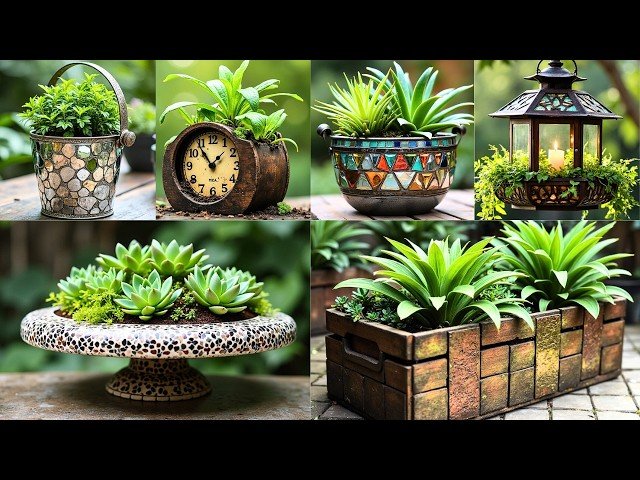
369 views
A lonely pothos on a windowsill rarely changes a room. It just... exists.
That's usually the problem. Many people buy beautiful plants, place them in basic plastic nursery pots, water them faithfully, and then wonder why the space still feels flat. The plant isn't the issue. The presentation is.
I've rearranged indoor plants more times than I can count, and the biggest improvement almost never came from buying another expensive specimen. Instead, it came from treating existing plants like intentional design features rather than accessories.
Interior designers have quietly done this for years. Plants become focal points, visual dividers, sculptural elements, even conversation starters. A modest houseplant can compete with artwork if it's displayed thoughtfully.
Here are ten practical ideas that consistently work in real homes—not just magazine photoshoots.
1. Give One Plant the Spotlight
Don't scatter every plant evenly around the room.
Instead, choose one standout specimen and let it own the space.
A mature fiddle leaf fig, bird of paradise, or rubber plant instantly attracts attention when positioned alone beside a sofa, reading chair, or large window.
Large statement plants often perform better visually when surrounding furniture stays relatively simple. Crowding them with side tables, baskets, and decorative objects weakens the effect.
Good candidates include:
Fiddle Leaf Fig (Ficus lyrata)
Bird of Paradise (Strelitzia nicolai)
Rubber Plant (Ficus elastica)
Monstera deliciosa
A six-foot plant naturally becomes artwork.
2. Think Beyond Basic Pots
Most nursery containers are designed for transportation, not interior design.
That's why decorative cachepots exist.
Materials dramatically change the feeling of a room:
Pot Material | Creates This Look |
|---|---|
Matte ceramic | Modern and minimal |
Terracotta | Warm and Mediterranean |
Concrete | Industrial |
Brass or metal | Contemporary luxury |
Woven seagrass | Coastal or boho |
Stone | Organic elegance |
One lesson learned the hard way: decorative pots without drainage holes often cause overwatering.
The easiest solution is leaving the plant inside its plastic nursery pot and placing that inside the decorative container. Water the plant separately, let excess water drain completely, then return it to the cachepot.
Simple. Less messy too.
3. Build Height Instead of Clutter
Many collections look messy because every plant sits at exactly the same level.
Nature doesn't work that way.
Mix elevations throughout the room:
Floor planters
Mid-height plant stands
Floating shelves
Hanging baskets
Tall cabinets
The result feels layered rather than crowded.
Even inexpensive wooden stands can dramatically improve visual balance. Adjustable bamboo plant stands have become especially popular because they fit several pot sizes without replacing the entire stand.
4. Turn an Empty Corner Into a Living Sculpture
Corners often collect forgotten furniture.
Or laundry.
Try something different.
Place one tall plant in the back, a medium plant halfway forward, and a trailing plant near the front. Suddenly that awkward corner gains depth.
Lighting matters here.
Most tropical houseplants prefer bright, indirect light rather than intense afternoon sun. North-facing windows generally produce softer light, while south-facing windows can become too intense unless filtered through sheer curtains.
If natural light is limited, modern LED grow lights have improved enormously over the last few years. Full-spectrum LEDs typically operate around 4000K–6500K color temperature and consume surprisingly little electricity compared with older fluorescent systems.
5. Let Trailing Plants Take Over
Sometimes controlled chaos looks better than perfect symmetry.
Trailing plants naturally soften shelves, cabinets, and bookcases.
Favorites include:
Pothos
Heartleaf philodendron
String of pearls
String of hearts
Tradescantia zebrina
English ivy
Instead of trimming every vine short, allow selected stems to cascade several feet.
Long vines create movement.
They also make rooms feel taller.
One warning, though. Vines can cling to painted walls or wood surfaces over time, especially ivy. It's worth checking occasionally before permanent marks develop.
A Small Styling Trick Most People Miss
Odd numbers almost always look more natural.
Three plants generally appear more balanced than two.
Five usually looks better than four.
It's one of those subtle principles borrowed from photography and floral design that people notice without realizing why.
6. Pair Plants With Unexpected Objects
Plants don't have to stand alone.
Interesting combinations create personality.
Examples:
Large fern beside a vintage leather chair
Snake plant next to black steel shelving
Olive tree paired with textured linen curtains
Monstera beside oversized framed artwork
Contrast creates interest.
Soft leaves against hard materials. Organic shapes beside straight architectural lines.
That's usually where the magic happens.
7. Build a Living Wall Without Remodeling
You don't need expensive commercial plant wall systems.
Floating shelves work surprisingly well.
Arrange plants at different depths instead of lining them up like books. Mix upright foliage with trailing species.
A layout might include:
Tall snake plant
Compact peperomia
Cascading pothos
Fern with soft texture
Texture matters just as much as color.
The eye notices leaf shape first.
8. Use Oversized Planters—even for Smaller Plants
This sounds backwards.
It isn't.
Large decorative planters visually anchor a room even if the plant inside isn't enormous.
The catch?
Don't fill the oversized planter entirely with soil unless the plant actually needs it. Excess soil retains moisture longer, increasing the risk of root problems.
Professional landscapers often elevate the nursery pot using bricks or upside-down plastic containers inside the decorative planter. The empty space reduces weight while maintaining the appearance of a massive container.
Few guests will ever know.
9. Make Lighting Part of the Display
Plants change dramatically throughout the day.
Strategic lighting extends that effect after sunset.
Warm LED spotlights around 2700K–3000K create cozy evening shadows beneath broad tropical leaves. Cooler temperatures near 4000K reveal leaf texture more accurately.
Accent lighting works especially well with dramatic species:
Monstera
Bird of Paradise
Kentia Palm
Elephant Ear
Avoid placing high-output spotlights extremely close to foliage. Even LEDs generate heat, and concentrated beams can stress sensitive leaves over extended periods.
Many smart bulbs from systems like Philips Hue, Govee, and Nanoleaf now allow brightness schedules through their mobile apps, making evening plant lighting almost effortless.
10. Rotate Your Displays Like Artwork
This might be the easiest improvement.
Don't leave every plant in the same location for years.
Rotate displays seasonally.
Swap living room plants into bedrooms.
Move trailing plants onto higher shelves.
Exchange decorative pots occasionally.
There's another practical benefit.
Houseplants naturally grow toward available light—a phenomenon known as phototropism. Rotating pots about a quarter turn every week or two helps maintain fuller, more symmetrical growth, particularly for monsteras, rubber plants, and fiddle leaf figs positioned near windows.
Small adjustments keep both the plant and the room looking fresh.
Common Mistakes That Ruin the Effect
Beautiful plants can still disappear into a room if these problems creep in.
Mistake | Better Approach |
|---|---|
Tiny pots under high ceilings | Scale containers to the room |
Every plant identical | Mix leaf sizes and textures |
Crowding windows | Leave breathing space |
Ignoring maintenance | Remove damaged leaves regularly |
Too many decorative items nearby | Let the plant become the focal point |
A dusty monstera loses much of its visual impact.
Cleaning leaves with a damp microfiber cloth every few weeks keeps foliage looking vibrant while allowing more light to reach the leaf surface.
FAQ
Which indoor plant makes the strongest visual statement?
Large specimens like fiddle leaf figs, bird of paradise, rubber plants, and mature monsteras tend to create the biggest impact because of their size and bold leaf structure.
Do expensive pots actually improve a room?
Not necessarily. Material, texture, and proportion matter far more than price. A well-chosen terracotta or ceramic pot often looks better than an ornate planter that clashes with the room.
How many plants are too many?
There's no fixed number. If individual plants stop standing out and begin blending into visual clutter, it's probably time to edit the collection or vary their heights.
Can statement plants thrive in low-light rooms?
Some can. Snake plants, ZZ plants, and cast iron plants tolerate lower light levels better than species like fiddle leaf figs or bird of paradise. Growth may slow, but healthy placement is still possible with appropriate care.
Should I use artificial grow lights?
Yes, especially where natural daylight is limited. Full-spectrum LED grow lights are widely recommended by horticultural extension programs for supplementing indoor lighting. Position them according to the manufacturer's recommended distance and daily operating time to avoid stressing plants.
Your Next Plant Doesn't Have to Be New
Before buying another houseplant, walk through your home with fresh eyes. Move one pot onto a stand. Replace a plain container with something textured. Shift a trailing vine onto a shelf where it can spill naturally. Rotate that oversized monstera toward the room instead of the window.
Tiny changes often produce the biggest transformation. The plants you already own may be all you need to create a space people remember.
plants as decor
statement plants
indoor plant ideas
creative plant styling
home decor plants
plant decoration tips
modern plant decor
stylish indoor plants
plant display ideas
home styling with plants
Found this helpful? Share it!