
The Truth About Misting Houseplants: Does It Really Help?
2 views
A spray bottle has become almost as common as a watering can in many indoor plant collections. Social media videos often show people misting lush monsteras, ferns, and calatheas as part of a daily care routine. It looks satisfying—and it certainly makes plants appear fresh—but does it actually improve their health?
The short answer is sometimes, but not in the way many people believe.
For most houseplants, occasional misting provides only a brief increase in moisture around the leaves. It doesn't permanently raise humidity or replace proper watering. In some situations, misting can even create problems if it's overdone or used on the wrong plants.
Here's what the evidence says, when misting is worth doing, and what works better if your plants truly need more humidity.
What Is Misting?
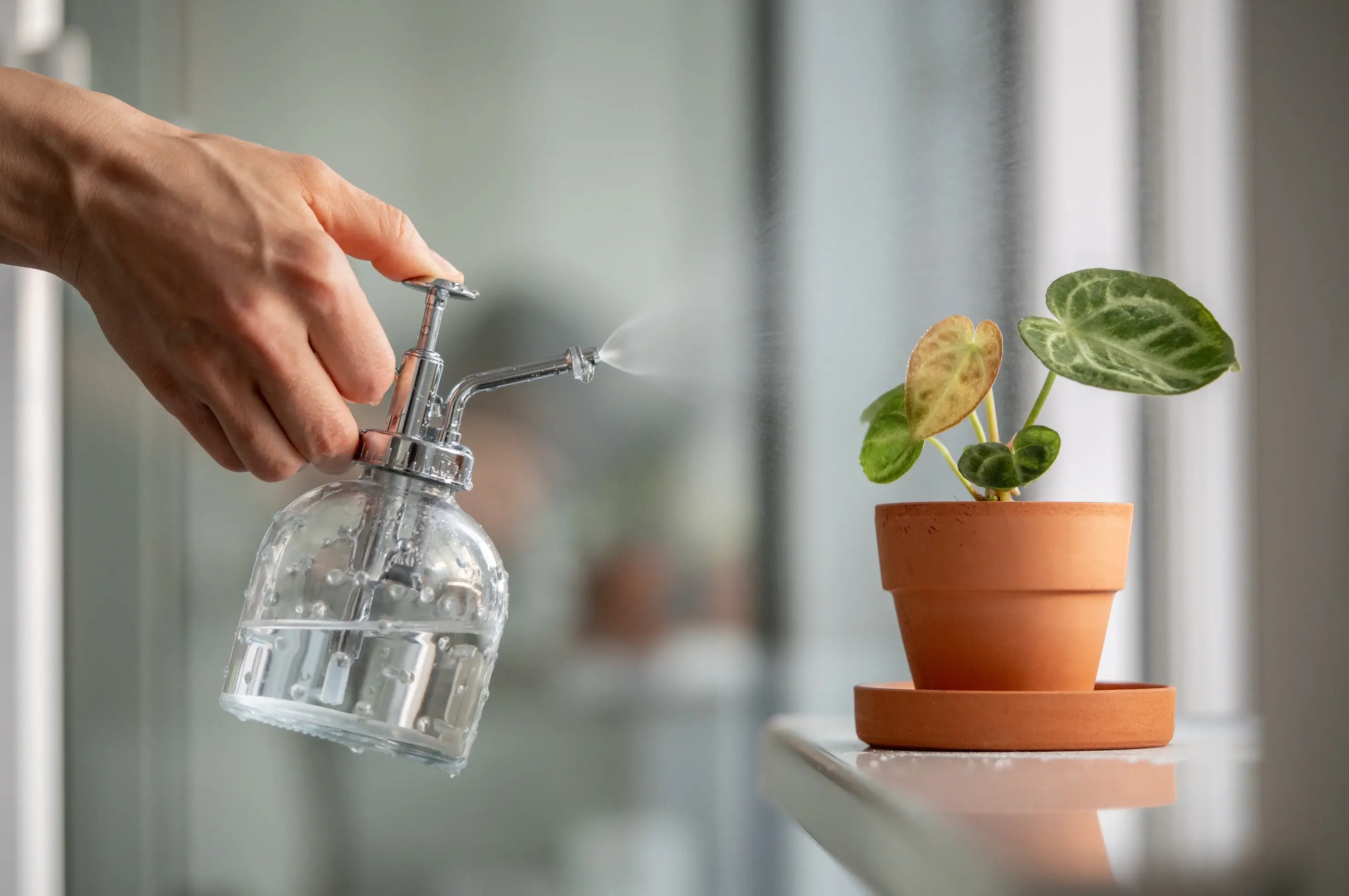
Misting simply means spraying a fine layer of water onto a plant's leaves using a spray bottle.
People mist houseplants for several reasons:
To increase humidity
To prevent brown leaf tips
To imitate tropical rainforest conditions
To clean dust from leaves
To refresh plants during hot, dry weather
While these goals sound reasonable, misting doesn't accomplish all of them equally well.
Why Humidity Matters for Houseplants
Many popular indoor plants originally evolved in tropical forests where humidity stays relatively high throughout the year. These include:
Ferns
Calatheas
Prayer plants (Maranta)
Some orchids
Peace lilies
Certain philodendrons
In dry indoor environments—especially during winter when heating systems run constantly—plants can lose moisture from their leaves faster than they naturally would. Low humidity may contribute to:
Brown leaf edges
Crispy leaf tips
Curling leaves
Bud or flower drop
Slower growth in humidity-loving species
That's why gardeners often look for ways to increase humidity indoors. The question is whether misting actually solves the problem.
Does Misting Really Increase Humidity?
The honest answer is only briefly.
When you spray water onto leaves, the moisture evaporates fairly quickly. During that short period, the air immediately around the plant becomes slightly more humid. Once the water evaporates, humidity usually returns to its previous level.
University horticulture experts note that maintaining higher humidity through hand misting would require spraying plants extremely frequently throughout the day, making it impractical for most homes.
This explains why many experienced growers no longer rely on misting as their primary humidity solution.
The Biggest Myth About Misting
One of the most common misconceptions is that leaves absorb large amounts of water directly from misting.
In reality, most houseplants absorb the water they need through their roots, not through routine leaf spraying. Proper watering keeps the root system hydrated, allowing plants to move water naturally throughout their tissues.
Misting should never replace watering the soil.
If a plant is drooping because it's thirsty, spraying the leaves won't solve the underlying problem.
When Misting Can Be Helpful
Although misting isn't a miracle solution, it isn't completely useless either.
It can still provide benefits in certain situations.
1. Temporary relief for humidity-loving plants
Some tropical plants appreciate a brief increase in moisture around their foliage, especially in very dry rooms.
This isn't a permanent humidity fix, but it may slightly reduce stress between more effective humidity measures.
2. Cleaning dusty leaves
A light mist followed by gently wiping leaves with a soft cloth helps remove dust.
Cleaner leaves can photosynthesize more efficiently because more light reaches the leaf surface.
3. Caring for certain air plants
Some plants, such as many Tillandsia (air plants), naturally absorb moisture through specialized leaf structures. Regular misting or soaking forms part of their normal care routine, depending on the species.
When Misting Can Cause Problems
Like many gardening practices, misting has drawbacks if used incorrectly.
Wet leaves can encourage disease
Leaves that remain damp for long periods—especially in cool rooms with poor airflow—can become more susceptible to fungal diseases such as leaf spots or gray mold. Good ventilation is important whenever foliage becomes wet.
It doesn't solve low humidity
If your home's humidity regularly drops below what your tropical plants need, spraying once or twice a day won't provide lasting improvement.
Some plants dislike wet foliage
Succulents, cacti, and many desert plants naturally prefer dry air.
Repeated misting can increase the chance of rot or fungal problems without providing meaningful benefits.
Plants That May Benefit From Occasional Misting
Occasional light misting can be suitable for:
Boston ferns
Maidenhair ferns
Calatheas
Prayer plants
Some orchids
Air plants (following species-specific care)
Even for these plants, consistent humidity is generally more effective than occasional spraying.
Plants You Should Usually Avoid Misting
Skip routine misting for:
Cacti
Succulents
Jade plants
Snake plants
ZZ plants
Plants with fuzzy leaves, such as African violets
These species generally prefer drier foliage and don't benefit from regular misting.
Better Ways to Increase Humidity
If humidity is genuinely the problem, there are better long-term solutions than reaching for a spray bottle every morning.
Use a humidifier
A room humidifier provides the most consistent increase in humidity and is often the best option for collections of tropical houseplants.
Group plants together
Plants naturally release moisture through transpiration.
Keeping several plants together creates a slightly more humid microclimate around them.
Try a pebble tray
Place pebbles in a shallow tray and add water below the tops of the stones.
Set the pot on the pebbles rather than directly in the water.
As the water evaporates, it can slightly increase local humidity around the plant.
Choose naturally humid rooms
Bathrooms and kitchens often have higher humidity because of showers and cooking.
If the lighting suits your plant, these rooms may provide better growing conditions than dry living spaces.
Misting vs. Better Humidity Solutions
Method | How well it raises humidity | Maintenance | Best for |
|---|---|---|---|
Misting | Very temporary | High | Occasional leaf refresh or certain tropical plants |
Humidifier | Excellent | Low to moderate | Most tropical houseplants |
Pebble tray | Mild | Low | Small humidity boost around individual plants |
Grouping plants | Mild | None | Indoor plant collections |
Bathroom placement | Depends on the room | None | Plants that enjoy naturally humid conditions |
How to Mist Safely
If you choose to mist your plants, follow a few simple guidelines.
Use clean, room-temperature water.
Mist early in the day so leaves dry before evening.
Apply a fine spray rather than soaking the foliage.
Avoid misting plants with fuzzy leaves.
Don't mist if fungal disease is already present.
Ensure good air circulation around the plant.
Think of misting as a small supplement rather than an essential daily chore.
Common Misting Mistakes
Many plant problems blamed on low humidity actually have different causes.
Avoid these common mistakes:
Using misting instead of proper watering.
Misting every plant regardless of species.
Leaving leaves wet overnight.
Ignoring lighting and watering issues while focusing only on humidity.
Assuming brown leaf tips always mean dry air.
Brown tips can also result from inconsistent watering, excess fertilizer, poor water quality, or root stress.
How to Know if Your Plant Really Needs More Humidity
Before changing your routine, look at the whole picture.
Your plant may benefit from higher humidity if:
It naturally comes from tropical forests.
The room feels very dry, especially during winter heating.
New leaves repeatedly develop brown edges despite correct watering.
Growth slows while other care conditions remain appropriate.
Using an inexpensive hygrometer can help you measure indoor humidity instead of guessing.
Frequently Asked Questions
Should I mist my houseplants every day?
Usually not. Daily misting rarely provides lasting humidity benefits for most plants. Consistent watering and appropriate humidity levels are generally more effective.
Can misting replace watering?
No. Houseplants absorb nearly all of their water through their roots. Soil watering remains essential for healthy growth.
Is misting good for monsteras?
Monsteras tolerate occasional misting, but they benefit far more from consistent humidity and proper watering than from frequent leaf spraying.
Why do my plant's leaf tips stay brown even though I mist them?
Brown tips often have multiple causes, including underwatering, overwatering, mineral buildup from tap water, fertilizer salts, or naturally dry indoor air. Misting alone usually won't solve the problem.
Should I mist succulents?
No. Most succulents are adapted to dry conditions and generally don't benefit from routine misting. Wet foliage may increase the risk of rot.
Misting isn't harmful when used appropriately, but it's also not the magic solution it's often made out to be. For most houseplants, the extra humidity disappears quickly, leaving little lasting benefit.
If you're caring for tropical species that genuinely need higher humidity, you'll usually get better results from a humidifier, grouping plants together, or placing them in naturally humid areas of your home. Combined with proper watering, good lighting, and suitable temperatures, these approaches create healthier growing conditions than a daily spray bottle ever could.
Rather than making misting your default routine, learn what each plant actually needs. A fern and a cactus don't want the same environment, and matching your care to the plant's natural habitat is one of the simplest ways to help it thrive.
misting plants
humidity
tropical plants
houseplant myths
indoor gardening
plant care
Found this helpful? Share it!